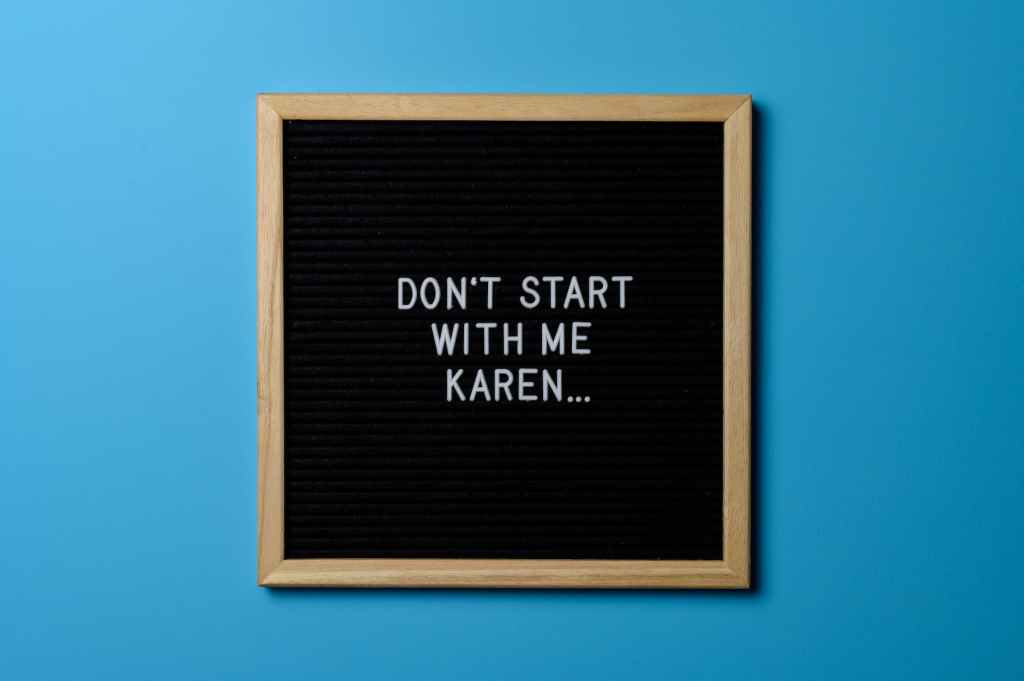
My wife was wrong. You heard it and I have her permission to tell the world. It’s a rare occurrence but when it happens she does own it. She was adamant that a particular package was never delivered to our home. She spent hours on the phone with Fedex and the supplier trying to come to a conclusion and recoup our losses. To her credit, the “confirmation photo” from the driver was that of a cement square from our driveway – no product within. Two weeks into this saga, she found the package. It was innocently tucked inside our garage (admittedly probably by me or one of our movers) and had not seen it. And she did the right thing, called back Fedex and the supplier to apologize and admit – she was wrong.
The phrase “the client is always right” is a commonly used business motto, but it is not always true. While it is important to prioritize the needs and satisfaction of clients, it is also important to recognize that clients may not always have the best understanding of the situation or may have unrealistic expectations. I’ll admit, I struggled with this balance in the past and it still rears its ugly, ethical head from time to time. Have you been in a conversation with someone who is adamant about something but every inch of your being is telling you the are wrong? What do you do?
Businesses and service providers, including those in construction, should aim to provide excellent customer service and work to meet the needs and expectations of their clients. However, there may be times when it is necessary to respectfully push back on a client’s request or suggestion if it is not feasible, ethical, or aligned with the company’s goals. And if an amicable solution cannot be found, learn to walk away.
Ultimately, it is important to strike a balance between providing quality customer service and ensuring that business operations are sustainable, ethical, and aligned with the company’s values and goals.
And it’s important that we all recognize what hat we are wearing in each situation. Whether we are the client or the receiving end, we all play both parts at any given time. If someone is pushing back, take time to understand what it is they are saying. When you have your client hat “on,” recognize that you may simply not be right. And, that is all right.
Keep it simple,
Nate Regina
 Nate Regina Blog